

A healthy dog coat starts in the food bowl. Brushing and bathing keep fur clean and tangle-free, but shine, softness, and strong hair depend on what your dog eats every day. In this guide, you will learn which nutrients matter most, nine foods that support skin and fur, what to avoid, and how nutrition and grooming work together.
What Does a Healthy Dog Coat Look Like?
Coats vary by breed, but healthy fur shares a few traits. It looks glossy, feels soft or smooth to the touch, and sheds at a normal rate for the breed. The skin underneath is clean, not greasy, flaky, or red.
Warning signs include a dull or brittle coat, dry flakes, constant scratching, bald patches, a strong odor, or shedding that is much heavier than usual. Diet is a common cause, but these signs can also point to allergies, parasites, hormone problems, or skin infections, so a vet visit is the right first step when the change is sudden or severe.
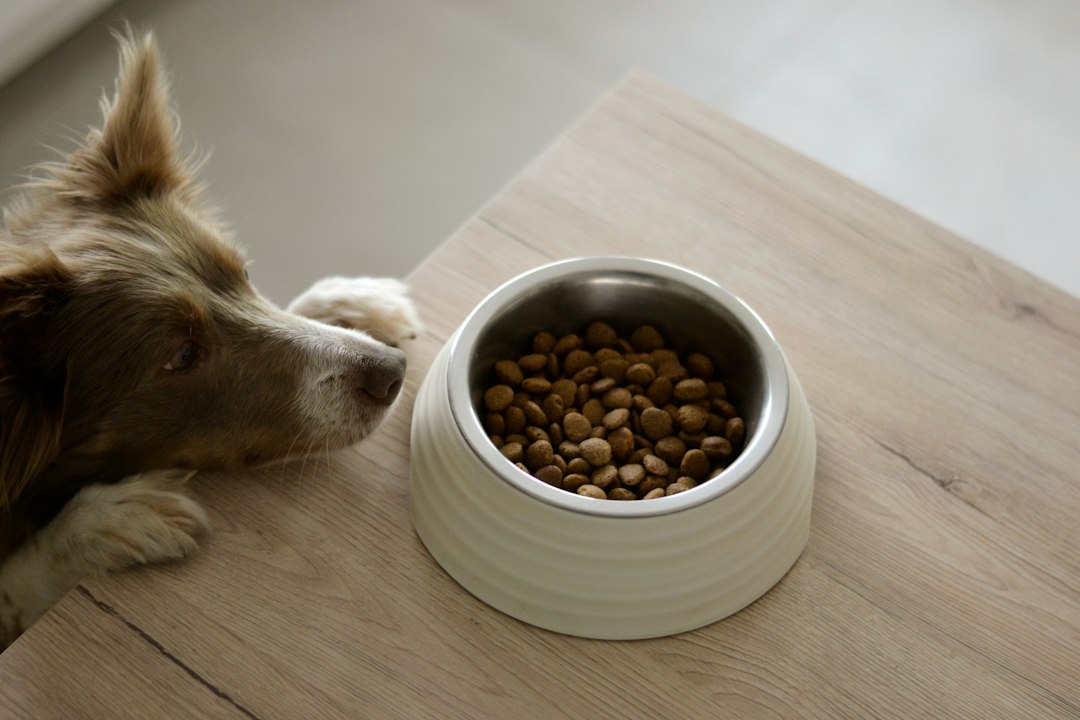
Key Nutrients for a Healthy Dog Coat
Protein
Protein is the foundation of a healthy dog coat. Hair is made mostly of protein, and a dog’s body uses a large share of its daily protein just to grow and renew skin and fur. When the diet lacks good-quality protein, the coat is often one of the first places it shows.
Omega-3 and omega-6 fatty acids
These essential fats are central to a healthy dog coat, keeping the skin barrier strong and the fur glossy. Dogs cannot make enough of them on their own, so they must come from food. Most commercial diets already contain plenty of omega-6, while omega-3s such as EPA and DHA, found mainly in fish, are often the missing piece. The American Kennel Club explains how fish oil supports skin and coat health in dogs.
Vitamins and minerals
Vitamin A helps maintain skin cells, vitamin E protects them from damage, and B vitamins such as biotin support normal hair growth. For a healthy dog coat, zinc is especially important, as low zinc levels are linked to crusty, flaky skin in some dogs.
9 Best Foods for a Healthy Dog Coat
A complete and balanced dog food should always be the foundation. The foods below can be offered as small extras or toppers. Introduce one at a time, keep portions small, and check with your veterinarian first if your dog has allergies, a sensitive stomach, or a medical condition.
1. Salmon
Salmon is one of the best foods for a healthy dog coat, rich in protein and omega-3 fatty acids. Serve it fully cooked, plain, and boneless. Never feed raw salmon, which can carry parasites that are dangerous to dogs.
2. Sardines
Small, oily fish like sardines are an easy source of omega-3s. Choose sardines packed in water with no added salt, and skip any packed in oil or sauce.
3. Fish oil
A fish oil supplement made for dogs is a convenient way to add EPA and DHA. Too much can cause stomach upset or other problems, so ask your vet for the right product and amount for your dog’s size.
4. Eggs
Eggs support a healthy dog coat with high-quality protein, biotin, and healthy fats. Cook them plain, without butter, oil, or seasoning. Scrambled or hard-boiled eggs both work well as an occasional topper.
5. Lean meats
Plain cooked chicken, turkey, or lean beef add protein that supports hair growth. Remove the skin, excess fat, and all bones before serving.
6. Sweet potatoes
Cooked sweet potatoes contain beta-carotene, which the body uses to make vitamin A, along with fiber and vitamin E. Serve them plain, cooked, and in small pieces.
7. Pumpkin
Plain canned or cooked pumpkin offers vitamins, antioxidants, and fiber that supports digestion. Make sure it is pure pumpkin, not pumpkin pie filling, which contains sugar and spices.
8. Flaxseed
Ground flaxseed provides a plant form of omega-3 called ALA, plus fiber. Dogs convert ALA to EPA and DHA poorly, so flaxseed is a nice addition but not a substitute for fish-based omega-3s.
9. Blueberries
Blueberries are a low-calorie treat full of antioxidants that help protect cells, including skin cells. Offer a few fresh or frozen berries as a reward.
How to Add Coat-Friendly Foods Safely
Extras should support a balanced diet, not replace it. Keep these simple rules in mind:
- Treats and toppers should make up no more than about 10 percent of your dog’s daily calories.
- Add one new food at a time and watch for itching, vomiting, or loose stool.
- Serve everything plain, with no salt, butter, onion, garlic, or seasoning.
- Reduce the main meal slightly so your dog does not gain weight.
- Ask your vet before adding supplements, especially for puppies, seniors, and dogs on medication.
Foods to Avoid
Some human foods are dangerous for dogs, no matter how healthy they seem for people. Never feed your dog:
- Grapes and raisins
- Onions, garlic, leeks, and chives
- Chocolate and caffeine
- Xylitol, a sweetener found in some gum, candy, peanut butter, and baked goods
- Macadamia nuts
- Cooked bones, which can splinter
If your dog eats something on this list, contact your veterinarian or an animal poison control line right away.
How to Choose a Dog Food for a Healthy Dog Coat
Most quality commercial foods already contain the nutrients a healthy dog coat needs. When you compare options, look for:
- A statement that the food is complete and balanced for your dog’s life stage, based on AAFCO standards
- A named animal protein, such as chicken or salmon, near the top of the ingredient list
- Fish, fish oil, or other sources of omega-3 fatty acids
- A formula suited to your dog’s age, size, and activity level
Store dry food in a sealed container and use it before the best-by date. The healthy fats in kibble can go stale when exposed to air for a long time, which makes the food less beneficial for skin and coat.
How Long Until You See Results?
Be patient. Skin cells and hair need time to renew, so changes from a better diet usually take several weeks to show. Many owners notice the first signs of a healthy dog coat, softer and shinier fur, after about one to two months of consistent feeding. If nothing improves after that, talk to your vet about other possible causes.
Grooming Habits That Support a Healthy Dog Coat
Nutrition works from the inside, and grooming works from the outside. The best results come from both.
Brush regularly
Brushing is essential for a healthy dog coat. It removes dead hair, prevents mats, and spreads the skin’s natural oils along each hair, which is a big part of what makes a coat shine.
Bathe with the right shampoo
Use a gentle shampoo made for dogs. Bathing too often or with harsh products can strip natural oils and leave the skin dry.
Book professional grooming on a schedule
A professional groom removes undercoat, keeps long coats manageable, and gives a trained eye a chance to spot skin problems early. Our guide on how often to groom your dog explains the right rhythm for each coat type, and these signs your dog needs a groom sooner help you catch problems early.
Do not forget the mouth, either. Good dog dental care at home is another simple habit that keeps your dog healthy overall.
Healthy Dog Coat Needs by Coat Type
Every breed’s coat has its own texture and needs, so a healthy dog coat looks a little different on each dog.
Double coats
Breeds like Huskies, German Shepherds, and Golden Retrievers have a soft undercoat beneath longer guard hairs. Omega-3s help support the skin underneath, while regular brushing and deshedding remove loose undercoat that can trap heat and moisture.
Curly and wavy coats
Poodles, doodles, and Bichons have continuously growing hair that tangles easily. Good nutrition keeps each hair strong, but these coats also need frequent brushing and professional trims to prevent mats.
Short and smooth coats
Labradors, Beagles, and Boxers have short coats that shed year-round. A diet with enough healthy fats keeps the coat sleek, and a rubber curry brush lifts loose hair and spreads natural oils.
Wire coats
Terriers and other wire-coated breeds have a coarse outer coat. Hand-stripping or careful trimming by a groomer keeps the texture correct, while a balanced diet supports the skin underneath.
Seasonal Care for a Healthy Dog Coat
Weather affects skin and fur just as much as diet does.
Winter
Cold air outside and heated air inside can dry out your dog’s skin. Brush often, avoid over-bathing, and use a moisturizing dog shampoo. Some dogs also benefit from a humidifier at home.
Spring and fall
Many dogs shed seasonally. A complete diet and regular deshedding sessions keep the process quick and comfortable and help a healthy dog coat grow back in evenly.
Summer
Swimming in pools, lakes, or the ocean can leave residue on the coat. Rinse your dog with fresh water afterward and brush once dry. Dogs with thin coats or light skin can also be sensitive to strong sun.
Hydration and a Healthy Dog Coat
Water is easy to overlook, but well-hydrated skin is more elastic and less prone to flaking. Keep fresh, clean water available at all times, and refill the bowl often in hot weather or after exercise. Dogs that eat mostly dry kibble may drink more, which is perfectly normal.
When a Dull Coat Signals a Health Problem
Sometimes even the best diet and grooming routine will not fix a dull coat, because the cause is medical. Common examples include fleas and other parasites, food or environmental allergies, skin infections, and hormone disorders such as an underactive thyroid.
Contact your veterinarian if you notice patchy hair loss, open sores, intense itching, a greasy or foul-smelling coat, or changes in energy, weight, or thirst along with coat problems. Treating the underlying issue is the fastest path back to a healthy dog coat.
A Simple Weekly Plan for a Healthy Dog Coat
- Feed a complete and balanced diet every day
- Add one coat-friendly topper a few times a week, if your vet agrees
- Brush several times a week, or daily for long coats
- Check the skin for redness, flakes, or parasites while brushing
- Keep fresh water available at all times
- Book professional grooming on a regular schedule
Small, consistent habits like these add up. Within a couple of months, most owners see a real difference in how their dog’s coat looks and feels.
Think of coat care as a long-term project rather than a quick fix. Food, water, brushing, bathing, and professional grooming each play a part, and none of them works as well alone as they do together. Choose two or three habits you can keep up easily, add the others over time, and your dog will thank you with softer fur, calmer skin, and less shedding around the house.
Questions to Ask Your Vet About Your Dog’s Coat
If your dog’s skin or fur is not where you want it to be, a vet visit can save you months of guessing. Useful questions include:
- Is my dog’s current food meeting their needs for skin and coat?
- Would an omega-3 supplement help, and how much should I give?
- Could allergies, parasites, or a hormone issue explain the coat changes?
- Which shampoo and bathing schedule do you recommend?
- Which human foods are safe to share as occasional toppers?
Bring photos of any problem areas and a list of everything your dog eats, including treats and table scraps. That information helps your vet find the cause faster and build a simple plan for a healthy dog coat.
Keep notes on what you change and when. If you switch foods or start a supplement, give it several weeks before judging the results, and take a quick photo each week so you can compare the coat over time.
Common Myths About a Healthy Dog Coat
Myth: a shiny coat means a dog is perfectly healthy. A glossy coat is a good sign, but dogs can have health problems that do not show in their fur, so regular vet checkups still matter.
Myth: more baths mean a cleaner coat. Bathing too often can strip natural oils. Most dogs do best with baths every few weeks, depending on coat type and lifestyle.
Myth: supplements can replace a good diet. Supplements can help, but they work best on top of a complete and balanced food, not instead of one.
Myth: shaving a double-coated dog keeps it cool. A double coat helps regulate temperature and protects the skin from sun, so shaving can do more harm than good. A thorough deshedding is usually the better choice for a healthy dog coat.
Healthy Dog Coat FAQ
Why is my dog’s coat dull?
Common causes include a diet low in fats or protein, infrequent brushing, too many baths, allergies, or an underlying health issue. Start with diet and grooming, and see your vet if the coat does not improve.
Can I give my dog coconut or olive oil for their coat?
Small amounts are not usually harmful, but oils add a lot of calories and do not provide the omega-3s that matter most for skin. Ask your vet before adding any oil to your dog’s diet.
Does a healthy diet reduce shedding?
Good nutrition can reduce excessive shedding caused by dry, unhealthy skin, but every dog sheds some hair. Double-coated breeds will always shed seasonally, and regular deshedding treatments help keep it under control.
Are grain-free diets better for the coat?
Not necessarily. Most dogs do well on diets with grains, and grain-free diets are not automatically healthier. Talk to your vet before switching, especially if you suspect a food allergy.
Healthy Dog Coat Tips for Puppies and Seniors
Puppies
Puppies need a diet made for growth, with the right balance of protein, fats, and minerals. Feed a complete and balanced puppy formula and avoid adding supplements unless your vet recommends them, because too much of some nutrients can affect healthy development. Many puppies go through a coat change as their adult fur grows in, so a fuzzy or uneven look for a few months is normal.
Start gentle brushing early. Short, positive sessions teach your puppy that grooming feels good and make future professional grooming visits much easier.
Senior dogs
As dogs age, their skin can become thinner and drier, and their coat may lose some shine. Senior diets often include adjusted calories and added nutrients for joints and skin. Ask your vet whether an omega-3 supplement makes sense for your older dog, as it can support both the coat and comfortable movement.
Older dogs may also groom themselves less, so they rely more on you. Gentle brushing, shorter baths, and a soft towel dry help keep a healthy dog coat even in the senior years.
Choosing the Right Brush for Your Dog’s Coat
The right tool makes brushing faster and more comfortable for your dog.
- Slicker brush: fine wire bristles that work through tangles in long, curly, and medium coats.
- Undercoat rake: reaches deep into double coats to remove loose undercoat during shedding season.
- Bristle brush: smooths short coats and adds shine by spreading natural oils.
- Rubber curry brush: lifts loose hair from short coats and gives a gentle massage.
- Metal comb: checks for hidden tangles behind the ears, under the legs, and around the tail.
Brush in the direction the hair grows and be gentle around sensitive areas. If you find a mat that will not come out easily, do not cut it with scissors, as it is easy to nick the skin. A professional groomer can remove it safely and help you keep a healthy dog coat between visits.
Give Your Dog a Coat They Can Be Proud Of
A healthy dog coat is the result of good food, regular brushing, and professional care working together. If your dog’s coat needs a fresh start, Bark Out Loud offers gentle mobile dog grooming in Massachusetts that comes right to your door. Explore our grooming services or call +1 508 282 0643 to book.
 mvcossenzo